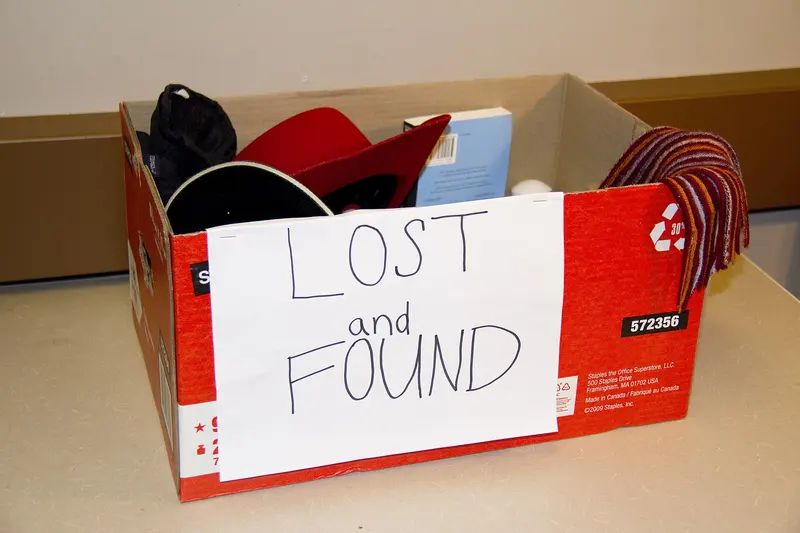
Most of this site is about getting rid of IT safely. This post is about what happens when something goes wrong: a laptop is left on a train, a box of old hard drives can't be found after an office move, or a device you sold turns out not to have been wiped. For an organisation, any of these can be a personal data breach.
This is general information about the UK GDPR, not legal advice. The ICO (Information Commissioner's Office) is the regulator, and its guidance is the place to check. The ICO notes that its breach guidance is under review following the Data (Use and Access) Act 2025, so check its pages for any changes.
What counts as a breach
The ICO defines a personal data breach as "a breach of security leading to the accidental or unlawful destruction, loss, alteration, unauthorised disclosure of, or access to, personal data". It is not only about hackers: accidental loss counts. Among the ICO's examples is "computing devices containing personal data being lost or stolen".
In the disposal chain, that can include:
- a laptop or phone lost or stolen while it waits to be collected
- drives that go missing between your building and the company that is meant to destroy them
- a device sold, donated or returned at the end of a lease without being wiped
- a box of "dead" equipment put out with general waste
The NCSC's secure sanitisation guidance lists what can follow if storage is lost or stolen, including that "private or personal data about your customers or staff could be used to commit fraud or identity theft" and that "personal information could be leaked, breaching GDPR".
The 72-hour rule
Not every breach has to be reported. The ICO says you must first "assess the likely risk to people's rights and freedoms". If a risk is likely, you must tell the ICO "as soon as possible, and where feasible within 72 hours" of becoming aware of the breach. You can add details later if you don't have them all at the start.
If the risk to people is high, you must also tell the people affected directly and without undue delay.
The ICO says that failing to report a breach when you should can lead to a fine of up to £8.7 million or 2 per cent of global turnover.
Whether or not you report it: record it
The ICO's guide says organisations should "record all breaches, regardless of whether or not they need to be reported". Note what happened, what data and how many people were involved, what the effects were and what you did about it. If you decide not to report, record why.
What helps if a device goes missing
Some of the most useful steps happen long before anything is lost:
- Encryption. A lost device whose storage is encrypted, with the key protected, is a very different risk from an unencrypted one. The NCSC notes that on encrypted devices a factory reset "deletes the encryption keys, making the data unreadable" — the same protection that makes disposal simpler.
- Know what you have. The NCSC recommends recording the life cycle of storage media: what it stores, where, and for how long. An up-to-date asset list lets you answer "what was on it?" within the 72 hours.
- Remote lock and wipe. Devices enrolled in management software can often be locked or erased remotely when they go missing.
- Keep disposal items locked away. The waste duty of care code of practice says waste must be "handled and stored safely and securely", with access limited to people authorised to handle it; for IT, that means a locked room, not a corridor.
- Use certificates. When a provider erases or destroys equipment, ask for a certificate listing serial numbers, so you can show what happened to each device.
If you learn that equipment you passed to a disposal or recycling company has gone missing, or that drives you were told were destroyed have turned up elsewhere, treat it as a possible breach and assess it — the 72 hours runs from when you become aware.
Choosing who handles your old IT
The NCSC says that when choosing a disposal company, you should check whether it holds recognised certifications or follows recognised standards, and names the NCSC's CAS-S scheme and ADISA certification as examples. On Green ITAD, every listing shows its licences and certifications either as verified on the register, with the date we checked, or as the company states them.
Our guides to data protection when you dispose of IT, data wiping and destruction standards and choosing an ITAD provider go into more detail.
- ADISA29 verified · 3 as stated
- ISO 270010 verified · 98 as stated
- Cyber Essentials0 verified · 43 as stated
Sources
- ICO: Personal data breaches — a guide
- ICO: UK GDPR data breach reporting (DPA 2018)
- NCSC: Secure sanitisation and disposal of storage media
- GOV.UK: Waste duty of care code of practice
Checked 23 November 2026.
This article is general information, not legal advice. Rules differ between England, Wales, Scotland and Northern Ireland — check with the regulator or an adviser for your situation.